
The Truth About Flash-Frozen Meals: Why Chefs Choose Frozen Over Fresh
Science + Chef Expertise
Are frozen meals healthy? Science says flash-frozen food retains over 90% of key nutrients. Here is what the research actually says, and why top Australian chefs choose flash-freezing.
Updated February 2026
Key finding: Research from the University of Georgia found that frozen produce retains more than 90% of its original vitamin C, beta-carotene and folate.
Yes, frozen meals can be just as healthy as fresh ones, and sometimes healthier. Flash-freezing locks in nutrients within hours of cooking, while "fresh" food in your fridge steadily loses vitamins over days. The key is how the food is frozen, and what goes into it before freezing. Chef-prepared meals that are flash-frozen at minus 18 degrees Celsius using blast freezers are a world apart from the mass-produced frozen dinners you grew up with. Here is what the science actually says.
What Does "Flash-Frozen" Actually Mean?
Flash-freezing (also called blast freezing) is a commercial process that drops the temperature of food to minus 18 degrees Celsius or below in a matter of hours rather than the 24 or more hours a standard home freezer takes.
The speed matters. When food freezes slowly, large ice crystals form inside the cells of the ingredients. Those crystals rupture cell walls, which is why slowly frozen food often turns mushy when you thaw it. Flash-freezing creates much smaller ice crystals that preserve the cellular structure of the food. The texture, colour and flavour stay closer to the moment the dish was prepared.
Professional blast freezers push high-velocity cold air across the food at controlled temperatures. This is the same technology used in commercial kitchens, food processing facilities and fine-dining restaurants around the world.
Are Frozen Meals Healthy? What the Research Says
This is the question that brings most people here, so let us look at the evidence.
The University of Georgia Study
A two-year study led by Dr Ronald Pegg at the University of Georgia compared the nutrient content of fresh and frozen fruits and vegetables. The researchers measured vitamins A, C and folate across eight common produce items. Their finding: frozen produce was nutritionally equal to, and in some cases superior to, fresh produce that had been stored in a home refrigerator for five days.
"Freezing is nature's pause button. Modern freezing technology maintains quality, sensory properties, texture, colour and nutrients."
Dr Ronald Pegg, University of Georgia
The Journal of Food Composition and Analysis (2017)
A study published in the Journal of Food Composition and Analysis examined nutrient levels in fresh and frozen produce purchased from retail stores. Across the board, there were no consistent differences in nutrient content between fresh and frozen. In some cases, frozen samples had significantly higher levels of vitamin C and other water-soluble vitamins compared to their fresh counterparts that had been stored for several days.
Why "Fresh" Is Not Always Fresh
Here is something most people do not consider. The fresh vegetables and proteins in your local supermarket are rarely fresh in any meaningful sense. Produce can spend one to two weeks in transit from farm to distribution centre to store shelf. During that time, water-soluble vitamins like vitamin C and B vitamins degrade steadily through exposure to light, heat and oxygen.
By contrast, flash-frozen food is typically processed within hours of harvest or preparation, effectively pressing pause on that nutrient loss.
Is Frozen Food Bad for You? Busting the Biggest Myths
Myth 1: Freezing Destroys Nutrients
This is the most persistent myth and the easiest to debunk. Freezing does not destroy nutrients. Heat, light and time destroy nutrients. Freezing slows all three processes dramatically. The blanching step before freezing vegetables does cause a small loss of water-soluble vitamins, but this loss is minor compared to the ongoing degradation that occurs during days of refrigerated storage.
Myth 2: Frozen Meals Are Full of Preservatives
This depends entirely on what you are buying. Mass-produced frozen dinners from the supermarket freezer aisle often contain added sodium, preservatives and fillers to extend shelf life and cut costs. But flash-freezing itself is a preservation method. When a meal is properly flash-frozen, there is no need for chemical preservatives because the freezing process halts bacterial growth and enzymatic reactions naturally.
At Providoor, for example, meals are prepared by chefs like Marco Pierre White, George Calombaris and Manu Feildel using restaurant-quality ingredients, then flash-frozen at minus 18 degrees Celsius. There are no preservatives because the flash-freezing does that job.
Myth 3: Frozen Food Tastes Worse Than Fresh
This one comes down to technique. Slowly frozen food in a standard home freezer? Yes, it often suffers. The large ice crystals damage cell structures and lead to that soggy, flavourless result people associate with frozen meals.
Flash-frozen food prepared by professional chefs in blast freezers is a completely different product. The rapid freezing preserves texture, and when you follow the reheating instructions, you are essentially finishing a dish that was locked in time at its peak.
Myth 4: You Cannot Get Restaurant-Quality Food from the Freezer
Tell that to the restaurant industry. Blast freezers are standard equipment in professional kitchens worldwide. Chefs use them to preserve pastry textures, batch-prepare sauces, store seasonal ingredients at peak ripeness and reduce food waste.
When chefs like Luke Nguyen, Silvia Colloca and Christine Manfield design meals specifically for the flash-freeze-and-reheat process, they are not compromising. They are using the same technology they rely on in their own restaurants.
Flash Frozen vs Fresh: A Direct Comparison
| Factor | Flash-Frozen at Minus 18 Degrees Celsius | "Fresh" (5 Days in Fridge) |
|---|---|---|
| Vitamin C Retention | Over 90% | Can drop 50% or more |
| Bacterial Growth | Halted | Continues slowly |
| Texture After Cooking | Preserved by small ice crystals | Already degrading |
| Shelf Life | Months | Days |
| Need for Preservatives | None | Often added to extend life |
| Food Waste | Minimal (cook what you need) | Significant (use-by pressure) |
Why Do Professional Chefs Use Blast Freezers?
If flash-freezing compromised food quality, professional chefs would not use it. But they do, routinely. Here is why:
Texture Preservation
Pastry chefs rely on blast freezers to maintain the structure of delicate desserts. Anna Polyviou's desserts at Providoor are designed to be flash-frozen and still deliver that same indulgent texture when served.
Batch Preparation
Restaurants prepare stocks, sauces and base components in large batches and blast-freeze them. This is standard practice and one of the reasons your favourite restaurant can serve consistent food night after night.
Food Safety
Blast freezing rapidly moves food through the danger zone (between 5 and 60 degrees Celsius) where bacteria multiply most quickly. The faster you freeze, the less opportunity for bacterial growth.
Waste Reduction
Blast freezing can significantly reduce kitchen waste by allowing chefs to preserve excess production rather than discard it.
Seasonal Ingredients
Chefs freeze produce at peak season to use year-round, ensuring better flavour and nutrition than out-of-season "fresh" alternatives.

Mass-Produced vs Chef-Prepared: Not All Frozen Food Is Equal
This distinction matters. Not all frozen food is created equal.
Mass-Produced Frozen Meals
- Made in factories with cost as the primary driver
- High in sodium to compensate for flavour loss
- Packed with fillers, thickeners and preservatives
- Designed for individual servings
- Frozen using slower, less controlled methods
Chef-Prepared Flash-Frozen Meals
- Created by professional chefs using restaurant-grade ingredients
- Seasoned and balanced for genuine flavour
- Free from unnecessary preservatives
- Designed for sharing (two or more people)
- Frozen using commercial blast freezers at minus 18 degrees Celsius
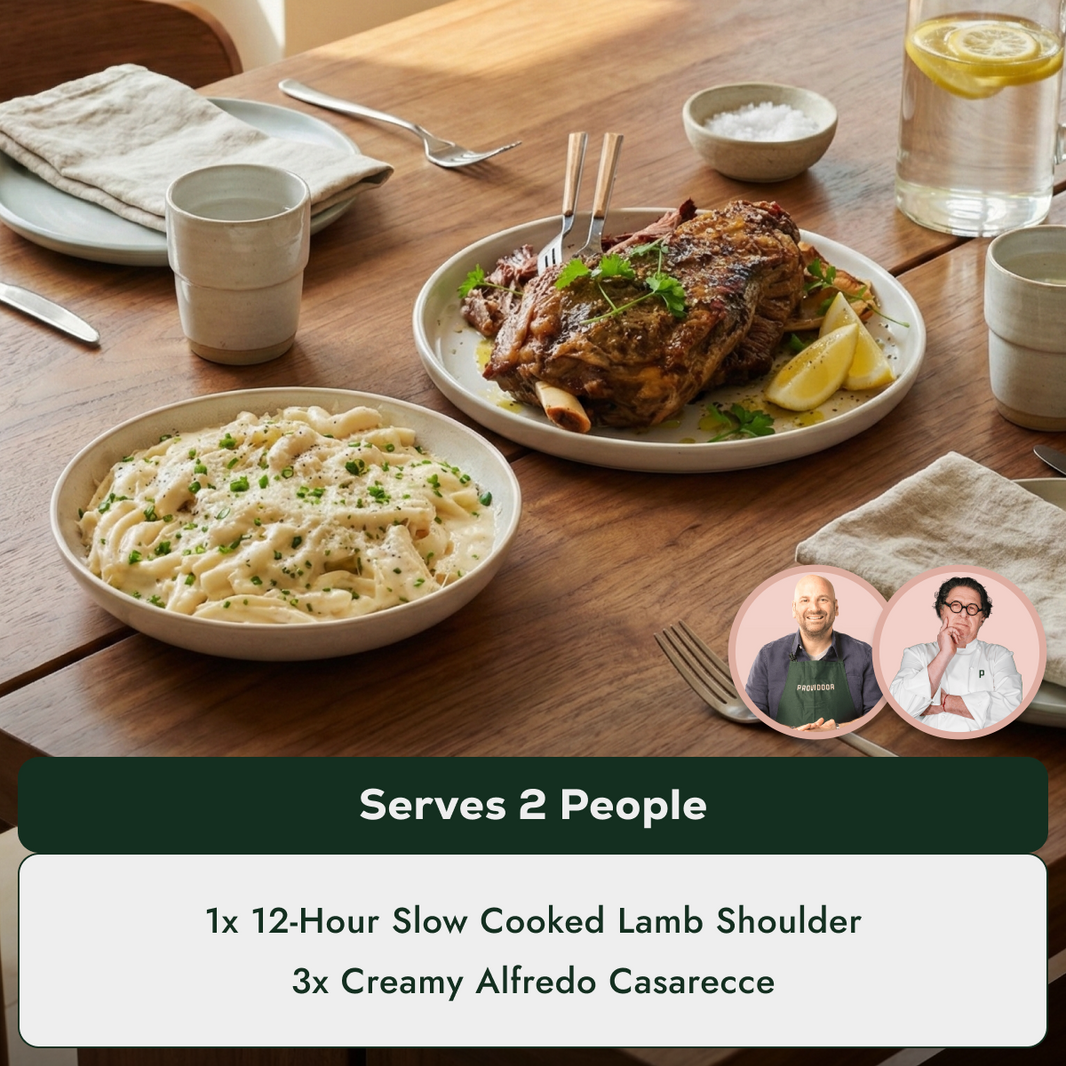
When you are asking "are frozen meals healthy?", the answer depends almost entirely on which frozen meals you are talking about. A chef-prepared slow-cooked lamb shoulder by George Calombaris that has been flash-frozen is a fundamentally different product from a $4 frozen pie from the supermarket.
How Providoor Delivers Flash-Frozen Meals Across Australia
Chef Preparation
Meals are cooked by chefs like Marco Pierre White, Manu Feildel, Justin Narayan and Luke Nguyen using the same quality ingredients they would use in their restaurants.
Flash-Freezing
Meals are blast-frozen at minus 18 degrees Celsius immediately after preparation, locking in flavour and nutrients.
Insulated Delivery
Orders are packed with ice bricks in insulated packaging and delivered to your door.
You Finish the Dish
Simple reheating instructions let you serve restaurant-quality food at home, typically in 20 to 30 minutes.
The entire system is designed around one idea: the food you eat at home should taste like the food the chef intended. Flash-freezing makes that possible.
Browse the full Providoor menu or explore set menus designed for easy entertaining.

Frozen Meals Nutrition: What to Look for on the Label
When choosing any frozen meal, whether from Providoor or the supermarket, here are the things worth checking:
- Sodium per serve. The Heart Foundation recommends looking for meals with less than 600mg of sodium per serve. Chef-prepared meals tend to use salt for seasoning rather than preservation, which usually means lower levels.
- Protein content. A good frozen meal should have a meaningful amount of protein, typically 20g or more per serve for a main course.
- Ingredient list length. Shorter is generally better. If you cannot pronounce half the ingredients, the meal relies on additives rather than proper cooking technique.
- No added preservatives. If a meal is properly flash-frozen, it should not need them.
- Vegetable content. Look for meals that include real vegetables, not just starch and protein.
Healthy Frozen Meals in Australia: Your Options in 2026
The Australian market for premium flash-frozen meals has grown significantly. For those looking for healthy frozen meals in Australia, here is what to consider:
- Chef credentials. Who is making the food? At Providoor, every meal is developed by a named chef with a genuine restaurant background. That includes Manu Feildel's Classic Chicken Fricassee and Silvia Colloca's Mediterranean Braised Chicken.
- Freezing method. Flash-frozen at minus 18 degrees Celsius in a blast freezer is the gold standard. Avoid products that are simply "frozen" without specifying the method.
- Transparency. Can you see the full ingredient list? Do you know where the ingredients come from?
- Portion design. Providoor meals are designed for two or more people, making them ideal for couples, families and entertaining.
Important: Always defrost your meals in the fridge before reheating. Cooking from frozen can cause uneven heating or burning. We recommend a FIFO rotation: when your order arrives, put your first picks in the fridge and the rest in the freezer. As you eat a meal, move the next one from freezer to fridge.
Frequently Asked Questions
Important: Always defrost your meals in the fridge before reheating. Cooking from frozen can cause uneven heating or burning. We recommend a FIFO rotation: when your order arrives, put your first picks in the fridge and the rest in the freezer. As you eat a meal, move the next one from freezer to fridge.
Are frozen meals as nutritious as fresh meals?
Yes. Research from the University of Georgia shows that flash-frozen food retains over 90% of key nutrients like vitamin C, beta-carotene and folate. In many cases, frozen food is more nutritious than "fresh" food that has spent several days in transit and storage.
Does flash-freezing destroy vitamins?
No. Freezing itself does not destroy vitamins. Nutrient loss occurs through heat, light and time. Flash-freezing at minus 18 degrees Celsius effectively pauses these processes, preserving nutrients at the level they were when the food was frozen.
What is the difference between flash-frozen and regular frozen?
Flash-freezing uses commercial blast freezers to drop food temperature to minus 18 degrees Celsius or below within hours. Regular freezing in a home freezer takes much longer, forming large ice crystals that damage food texture and can accelerate nutrient breakdown.
Is frozen food bad for you?
Not inherently. The healthiness of frozen food depends on what was frozen and how. Chef-prepared meals flash-frozen without preservatives are a healthy option. Mass-produced frozen dinners high in sodium and fillers are a different story.
Why do restaurants use blast freezers?
Professional kitchens use blast freezers to preserve texture, maintain food safety by quickly passing through the bacterial danger zone, reduce waste, and batch-prepare components for consistent quality. They are standard equipment in serious commercial kitchens.
Are Providoor meals healthy?
Providoor meals are prepared by professional chefs using restaurant-quality ingredients and flash-frozen at minus 18 degrees Celsius without preservatives. They are designed the way a chef would plate a dish in a restaurant, not engineered in a factory to hit a price point.
How long do flash-frozen meals last?
Properly flash-frozen meals stored at minus 18 degrees Celsius or below maintain their quality and nutritional value for several months. Always check the specific use-by date on the packaging.
Do I need a special freezer for flash-frozen meals?
No. Once meals are flash-frozen commercially, they can be stored in a standard home freezer at minus 18 degrees Celsius or below. The flash-freezing process has already done the important work of creating small ice crystals and preserving cellular structure.
Ready to Taste the Difference?
Chef-prepared, flash-frozen meals delivered to your door. Restaurant quality without the restaurant price tag.
BROWSE THE MENUSources & References
Related Reading
Written by
Providoor Editorial Team
Content & Food Research, Providoor
The Providoor editorial team researches and writes content about premium frozen meals, Australian food delivery, and the chefs behind the dishes. Our content draws on direct relationships with our chef partners — including Marco Pierre White, George Calombaris, Manu Feildel, Silvia Colloca, Luke Nguyen, Christine Manfield, Justin Narayan, and Anna Polyviou — and is reviewed against publicly available food safety and nutrition guidelines from Food Standards Australia New Zealand (FSANZ) and the Australian Department of Health.