
Best Frozen Meals in Australia (2026): From Supermarket to Celebrity Chef
The best frozen meals in Australia range from $3 supermarket options to $65 celebrity chef dishes delivered to your door. This guide breaks down every tier of the market so you can find the right frozen meals for your budget, dietary needs and taste preferences.
Whether you're stocking the freezer for busy weeknights, looking for something genuinely restaurant-quality, or just trying to figure out which supermarket frozen meal won't disappoint you, this list covers it all.
How We Ranked These Frozen Meals
We evaluated frozen meals across five criteria:
- Taste and quality: Does it actually taste good? Would you eat it twice?
- Ingredients: Real ingredients or a wall of additives and preservatives?
- Value for money: What are you getting per dollar spent?
- Convenience: How easy is it to store, prepare and serve?
- Availability: Can most Australians actually buy it?
We've broken the list into three tiers: supermarket frozen meals, mid-range delivery services, and premium chef-prepared options.
Tier 1: Supermarket Frozen Meals ($3 to $12)
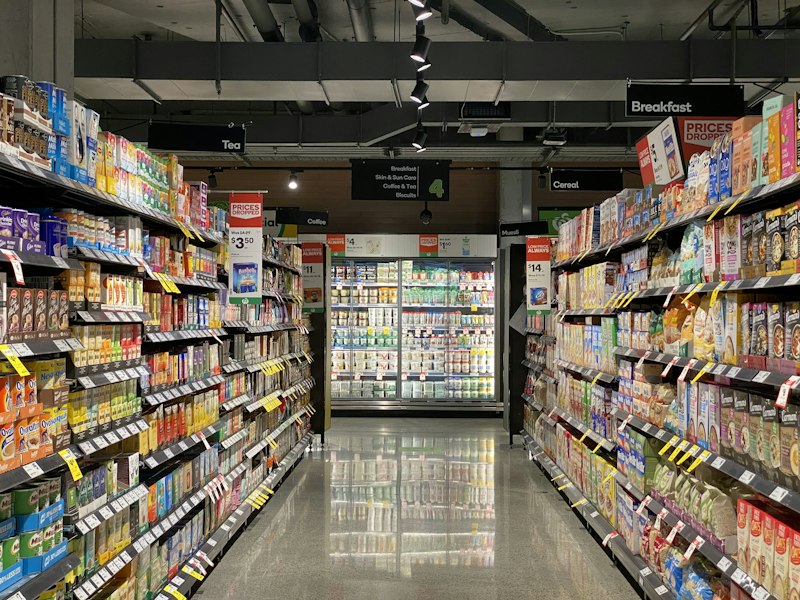
Coles Kitchen
Price range: $3 to $5
Available at: Coles supermarkets nationally
Best for: Budget weeknight dinners
Coles Kitchen covers the basics: butter chicken, lasagne, pasta bakes. The quality is exactly what you'd expect at this price point. Portions are designed for one person. Ingredients lean heavily on sauces and fillers, with modest amounts of protein. If you need something fast and cheap, they'll do the job. If you're looking for a meal that excites you, look elsewhere.
McCain Healthy Choice
Price range: $5 to $7
Available at: Major supermarkets nationally
Best for: Calorie-conscious shoppers
McCain's Healthy Choice range has been a supermarket freezer staple for years. Portions are controlled, calorie counts are clearly labelled, and there's a decent variety of options. The taste is functional rather than memorable. These meals are designed to be "good enough" for people watching their intake, not to compete with home cooking or restaurant food.
Woolworths Select
Price range: $3 to $7
Available at: Woolworths supermarkets nationally
Best for: Quick lunches and basic dinners
Similar to Coles Kitchen in quality and pricing. The range includes curries, pastas and rice-based dishes. Portions are single-serve. The convenience factor is high (microwave in 4 to 6 minutes), but the trade-off is taste and ingredient quality.
Tier 1 verdict: Fine for emergencies or strict budgets. Not something you'd look forward to eating.
Tier 2: Mid-Range Delivered Frozen Meals ($8 to $15)
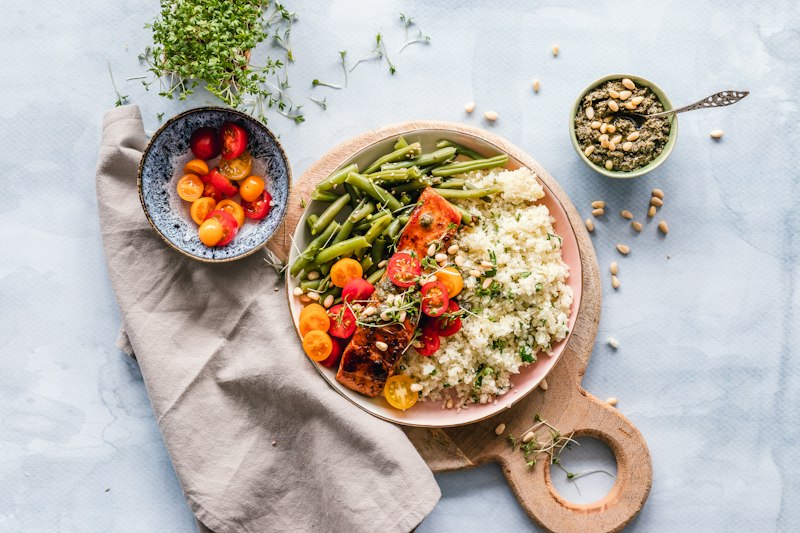
My Muscle Chef
Price range: $8 to $13
Available at: Online delivery and selected retail stores
Best for: High-protein, macro-friendly meals
My Muscle Chef has carved out a strong niche in the fitness and meal prep community. Every meal lists macronutrient breakdowns, and the menu leans towards high-protein, balanced options. Portions are generous. Taste is a step above supermarket but still feels mass-produced. The chicken can be dry, and the sauces tend towards sameness. Good if your primary goal is hitting protein targets. Less good if your primary goal is enjoying dinner.
Youfoodz
Price range: $9 to $13
Available at: Online delivery
Best for: Variety and convenience
Youfoodz offers one of the largest menus in the mid-range space, with new dishes rotating weekly. Quality sits between supermarket and genuinely good. Some dishes surprise you, others feel like reheated cafeteria food. The subscription model keeps prices competitive. Best suited to people who want variety without cooking but don't want to spend premium prices.
Dinner Ladies
Price range: $12 to $32
Available at: Online delivery (Sydney, Melbourne, Brisbane, Canberra, Adelaide, Perth)
Best for: Home-style comfort food
The Dinner Ladies have been operating for over 18 years and have built a loyal following with their home-style approach. The menu focuses on familiar comfort food: shepherd's pie, chicken cacciatore, beef bourguignon. Portions are family-sized (most serve 2 to 4). Quality is consistently good. The style is home cooking done well rather than restaurant-level dining.
Compared to supermarket options, The Dinner Ladies are a clear step up. Compared to chef-prepared premium meals, they sit in the middle ground: better ingredients and preparation, but without the calibre of culinary expertise you get from a Michelin-starred chef. For a detailed comparison, read our Providoor vs Dinner Ladies analysis.
Tier 2 verdict: A genuine upgrade from supermarket frozen meals. Good value for everyday eating, particularly if you prioritise convenience over culinary ambition.
Tier 3: Premium Chef-Prepared Frozen Meals ($20 to $65)
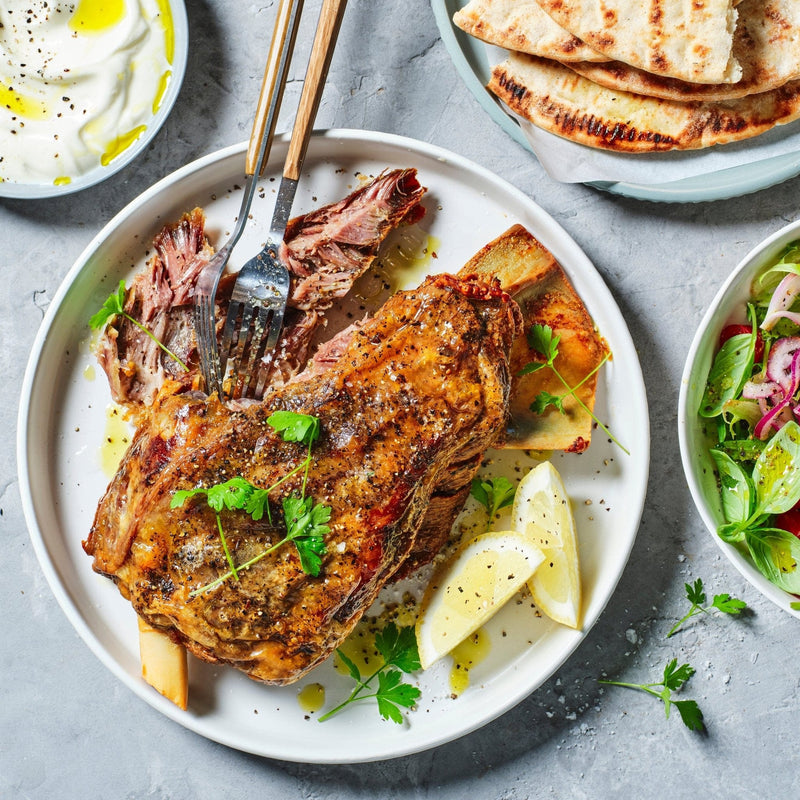
Providoor
Price range: $20 to $65
Available at: Online delivery (Sydney, Melbourne, Brisbane, regional East Coast)
Best for: Restaurant-quality dining at home
This is where the frozen meal market gets genuinely exciting. Providoor has assembled a roster of eight celebrity chefs to create flash-frozen meals that taste like they came from a restaurant kitchen, because they did.
The chef lineup:
- Marco Pierre White: The first British chef to earn three Michelin stars. Trained Gordon Ramsay. His Mr White's Chicken Soup ($20, serves 2) is comfort food elevated to an art form.
- George Calombaris: MasterChef Australia judge and celebrated Melbourne restaurateur. His 12-Hour Slow Cooked Lamb Shoulder ($65, serves 4, rated 5.0 from 40 reviews) is the menu's crown jewel.
- Manu Feildel: French-born chef known for My Kitchen Rules. His Classic Chicken Fricassee ($29, serves 2, rated 4.6 from 18 reviews) is a masterclass in French comfort cooking.
- Silvia Colloca: Italian cookbook author and TV presenter. Her Classic Italian Lasagne ($32, serves 2) uses fresh pasta with braised veal and pork ragu.
- Christine Manfield: One of Australia's most respected chefs. Her Coconut and Prawn Curry ($25, serves 2, rated 4.6 from 51 reviews) is Providoor's most-reviewed dish.
- Justin Narayan: MasterChef Australia winner. His Curried Braised Lamb ($40, serves 2) delivers bold, globally inspired flavours.
- Luke Nguyen: Vietnamese-Australian chef and restaurateur. His Butter Chicken ($23, serves 2, rated 4.2 from 39 reviews) is a modern twist on the classic.
- Anna Polyviou: Award-winning pastry chef. Her Sticky Date Pudding with Banana ($24, serves 4) finishes any meal on a high.
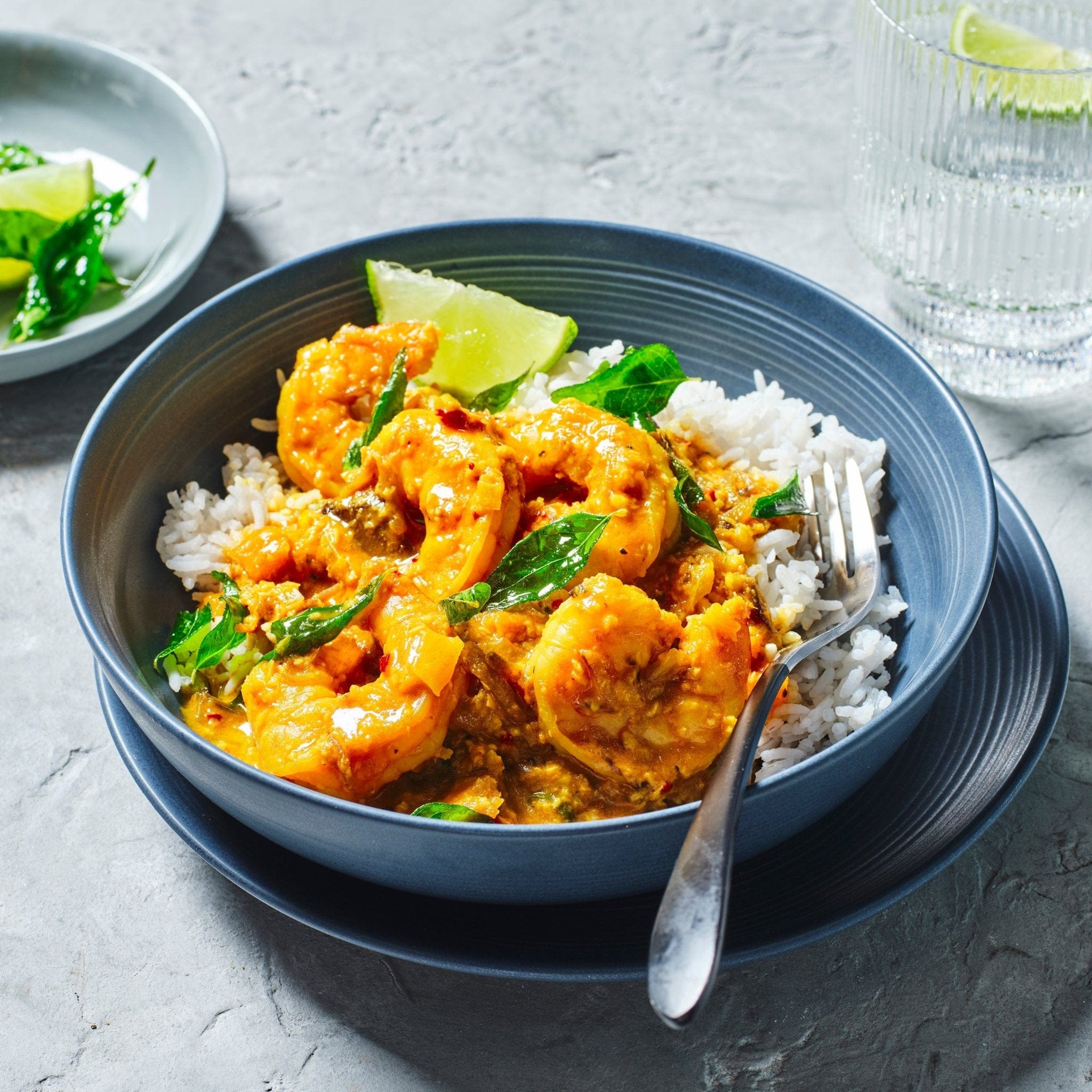
Every meal is flash-frozen at minus 18 degrees Celsius immediately after cooking. This preserves the texture, flavour and nutrition in a way that slow freezing simply cannot match. For the full science behind this, read the truth about flash-frozen meals.
Orders are packed in insulated boxes with ice bricks and delivered via temperature-controlled courier vans. The minimum order is $80, and delivery covers Sydney, Melbourne, Brisbane and regional East Coast areas. Check your postcode on the delivery info page.
Important note on reheating: All Providoor meals must be fully defrosted in the fridge before reheating. Do not cook from frozen. The best approach is a FIFO rotation: put your favourite meals in the fridge when your order arrives (so they defrost first), and store the rest in the freezer. As you eat each meal, move the next one from freezer to fridge.
Tier 3 verdict: If you care about food quality and want genuine restaurant-level dining at home without cooking, this is the tier to be in. The price is higher than mid-range, but the gap in quality is enormous. George Calombaris' lamb shoulder or Christine Manfield's prawn curry are in a completely different category to anything else in the Australian frozen meal market.
The Comparison at a Glance
| Feature | Supermarket | Mid-Range Delivery | Providoor |
|---|---|---|---|
| Price per dish | $3 to $8 | $8 to $32 | $20 to $65 |
| Chef involvement | Factory recipes | Professional cooks | Celebrity chefs (Michelin-starred) |
| Ingredients | Processed, high sodium | Better quality, some processed | Restaurant-grade, no preservatives |
| Freezing method | Standard industrial | Standard industrial | Flash-frozen at minus 18 degrees Celsius |
| Delivery | Self-pickup in store | Home delivery | Temperature-controlled home delivery |
| Availability | National | Varies by service | East Coast (Sydney, Melbourne, Brisbane, regional) |
| Best for | Tight budgets | Everyday convenience | Special occasions, food lovers, busy professionals |
How to Get the Most Out of Frozen Meals
Regardless of which tier you choose, these tips will improve your experience:
- Don't microwave premium meals: If you've paid for quality ingredients, give them the oven time they deserve. Microwaving is fine for supermarket meals but wastes the potential of anything mid-range or above.
- Always defrost properly: Move meals from freezer to fridge the night before. This is essential for premium meals and improves the texture of every tier.
- Stock strategically: Order a mix of quick weeknight options and a few special dishes for when you want something better. You don't need every meal to be premium.
- Check serving sizes: Supermarket meals are almost always single-serve. Providoor meals typically serve two, with some serving four to six. Do the per-serve maths before comparing prices.
- Read the reheating instructions: Every brand has specific instructions. Following them is the difference between a good result and a disappointing one.
For more detailed guidance, visit the Providoor FAQ page.
Frequently Asked Questions
What are the best frozen meals in Australia in 2026?
The best frozen meals in Australia depend on your budget and priorities. For premium quality, Providoor offers celebrity chef-prepared meals from Marco Pierre White, George Calombaris and Manu Feildel, with prices from $20 to $65. For mid-range options, The Dinner Ladies and My Muscle Chef offer good quality at $8 to $32. Supermarket brands like Coles Kitchen and McCain provide budget options from $3 to $8.
Are expensive frozen meals worth it?
Premium frozen meals from services like Providoor cost more because they use restaurant-grade ingredients, are prepared by award-winning chefs, and are flash-frozen to preserve quality. The taste and quality difference compared to supermarket frozen meals is significant. For people who value good food but lack time to cook, the value proposition is strong.
Which frozen meal delivery service is best in Australia?
Providoor leads the premium segment with eight celebrity chefs and flash-frozen meals delivered to Sydney, Melbourne, Brisbane and regional East Coast. The Dinner Ladies cover six capital cities with home-style comfort food. My Muscle Chef is best for high-protein, fitness-focused meals. The best choice depends on what matters most to you: taste, nutrition, convenience or price.
How long do frozen meals last?
Most commercially frozen meals last 6 to 12 months in a home freezer stored at minus 18 degrees Celsius. Providoor meals specifically last up to 12 months. Always check the packaging for the specific use-by date and storage instructions.
Are frozen meals unhealthy?
Not necessarily. Premium frozen meals from providers like Providoor use fresh, restaurant-grade ingredients with no artificial preservatives. Flash-freezing preserves nutritional content effectively. Supermarket frozen meals tend to have higher sodium and more processed ingredients. Read the truth about flash-frozen meals for more detail on the science.
Can I get frozen meals delivered to regional areas?
Providoor delivers to regional areas along Australia's East Coast via temperature-controlled courier vans. Other services vary in coverage. Check each provider's delivery page for your postcode. Providoor's coverage can be checked on their delivery info page.
Last updated: February 2026
Related Reading
Written by
Providoor Editorial Team
Content & Food Research, Providoor
The Providoor editorial team researches and writes content about premium frozen meals, Australian food delivery, and the chefs behind the dishes. Our content draws on direct relationships with our chef partners — including Marco Pierre White, George Calombaris, Manu Feildel, Silvia Colloca, Luke Nguyen, Christine Manfield, Justin Narayan, and Anna Polyviou — and is reviewed against publicly available food safety and nutrition guidelines from Food Standards Australia New Zealand (FSANZ) and the Australian Department of Health.